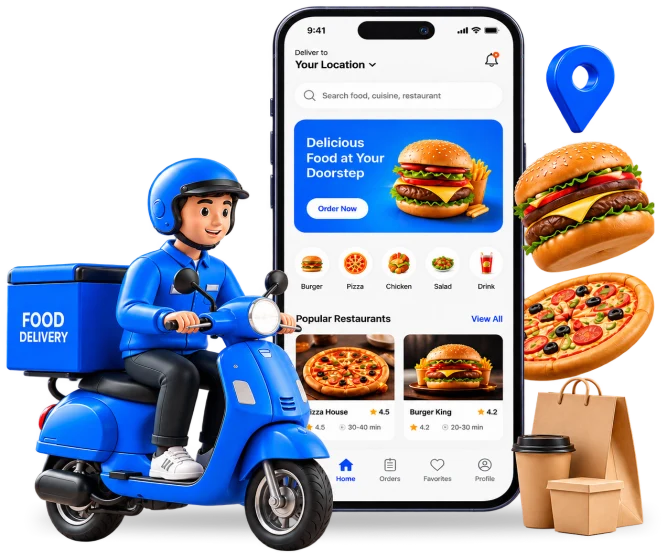
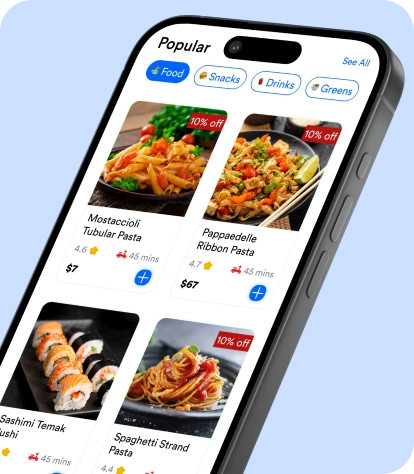
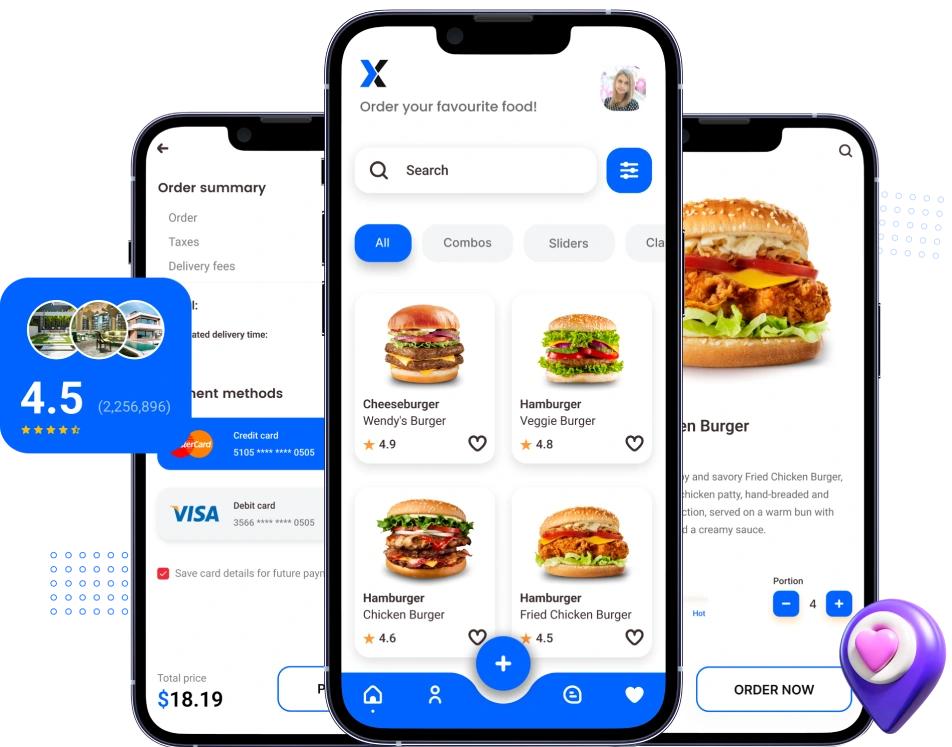
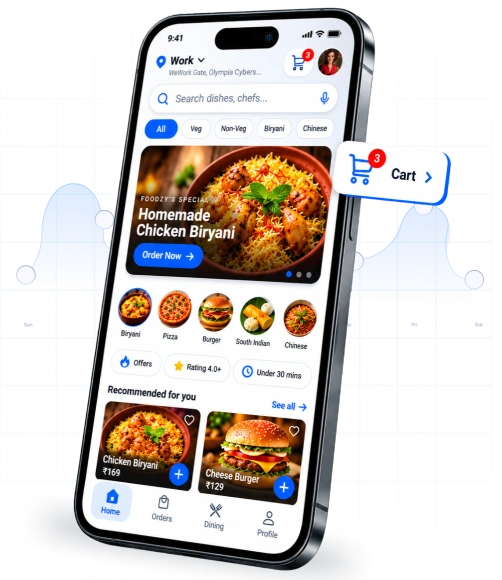
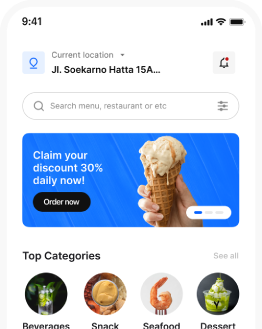
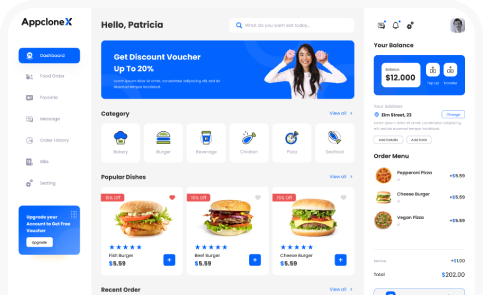
The catering sector is increasing rapidly due to the preference of consumers for quick, easy-to-use, and electronic ordering methods. A robust food delivery script will allow companies to create an online platform for order placement and delivery through the use of features including restaurant organization, delivery management (including real-time tracking), and secure payment processing. It is an ideal option for new businesses, restaurants, or cloud kitchens seeking to enter the growing market of food delivery.

Using pre-existing scripts reduces costs, increases launch times, and allows a business to scale effectively when compared to developing an application from the beginning point in a development project. 

These pre-existing solutions have many of the characteristics that attract consumers to a food ordering and delivery service, as well as the unique features associated with providing a high level of customer satisfaction (i.e., advanced features, flexible customization) to restaurants and end users. 

This article will discuss the features and benefits of food delivery script development, the development of food delivery scripts, and anticipated trends affecting future development in this space. 

What is a Food Delivery Script?

A Food Delivery Script is a pre-built solution that allows entrepreneurs or businesses to quickly and affordably create an online food ordering/delivery system. A food delivery script includes all of the online/web and mobile apps that customers use to place orders, restaurants use to fulfill those orders, delivery agents use to deliver those orders, and site administrators use to manage an account from an overall perspective.

Businesses can launch their own food delivery service in a fraction of the time compared to starting from scratch by customizing an existing script. These existing scripts are created specifically to provide the essential features necessary to run a successful online food delivery operation.

The majority of modern food delivery scripts include the following:

Customer mobile app
Restaurant management dashboard
Delivery partner app
Admin panel
Real-time order tracking
Payment gateway integration
Reviews and ratings
Push notifications
Analytics dashboard

Scripts form the backbone of a complete online food delivery ecosystem that allows interactions between restaurants, customers, and delivery personnel.

Why the Online Food Delivery Industry is Growing Rapidly?

Over the past few years, the food delivery market has grown rapidly. There are numerous factors contributing to this explosion, including increasing mobile device usage, busy people, the availability of fast internet access, and the changing ways that we eat our meals.

The food delivery industry is expected to reach $30 billion or more within a few years, and this growth will continue rapidly each year. Much of this growth stems from the fact that most consumers prefer to order their food online rather than eat out.

Online food ordering is a great way to save time, have access to more choices, and make things more convenient than driving somewhere and waiting for food to be served.

Some of the major trends that are helping to fuel the food delivery industry include:

Growing Use of Smartphones

Food ordering has been made much easier through the use of smartphones. Customers can now easily browse through all the restaurants near their home and order their favorite dish regardless of where they may be at that moment in time. The prevalence of mobile (smartphone) convenience has greatly accelerated the adoption of this service globally.

Demand for Convenience

Food delivery services have made it easier than ever before for consumers to order food from restaurants. For example, because so many people are ordering their lunches while at work, families order their dinners in the evening, and college students are ordering late-night snacks. This has all made the use of food delivery services much easier and simpler.

Popularity of Cloud Kitchens

As a result of our growing demand for home delivery, there has also been an increase in the number of restaurants offering cloud kitchens and virtual restaurants directly on their website and/or mobile app. Cloud kitchens are preparing food for consumption only via food delivery apps.

Rise of Contactless Delivery

As a result of COVID-19, people are now using contactless delivery systems much more than before. Today’s customers expect digital ordering, online payment options, and little to no interaction between the customer and delivery driver.

Growth of Digital Restaurant Transformation

With the restaurant industry becoming digital, restaurant owners will have to invest in more ways to reach their target audiences and will be able to increase sales without the need for additional physical locations. 

Business Models of Food Delivery Apps

There are several different delivery platform business models to choose from when starting a food delivery business.

Order Only Model

With this type of food delivery business model, the platform connects customers with restaurants that only supply the products to be delivered, and the customer is only paid by the customer through either a commission or a listing fee.

This model requires a lower operational cost since the restaurant owners manage their own delivery logistics.

Order + Delivery Model

The food delivery business model allows the platform to manage food orders as well as manage deliveries. The restaurant will prepare the food for delivery to the customer, and the platform will have delivery agents who work for the platform to provide the delivery.

This is being adopted as one of the more mainstream delivery models in delivery applications such as Uber Eats and DoorDash by providing efficient and complete user experiences.

Cloud Kitchen Model

Cloud Kitchen systems do not offer traditional dining facilities but instead provide services to patrons through digital orders only. By utilizing a common kitchen base, Entrepreneur-chefs can establish multiple virtual restaurants.

Food delivery scripts can help the management of cloud kitchens assist in centrally managing their orders.

Subscription Model

Some food delivery applications offer subscription plans to consumers, restaurants, and/or delivery agents for discounts, free delivery, and priority for deliveries.Collectively, this builds a consistent source of income and keeps your customers coming back.

Essential Features of a Food Delivery Script

To create a successful food delivery application, the build must include advanced features in order to provide seamless ordering, efficient delivery management & a great experience to consumers.

Customer Features

Fast Sign Up

The ability of your customers to sign up for an app through a mobile number, email address, or social media account can be done quickly and easily. A simple, hassle-free sign-up process will keep your consumers engaged with your app and reduce the chances of the user abandoning your app.

Restaurant Search and Filter

Consumers want to search through categories, like food type, star rating, geographic location, delivery timeframe, and price. Smart filtering will improve & provide better experiences to consumers while ordering.

Real-time Menu Browsing

Customers should be able to see all menu items and all details about each menu item, such as item description, price, photo, & customization options. The menu will automatically update the distance to the customer via persistent geolocation.

Cart and Checkout System

User-friendly shopping cart features allow users to add items easily, use coupons, and securely check out.

Varied Payment Options

Food delivery scripts offer a variety of payment options, including:

  • Credit/Debit Cards
  • UPI Payments
  • Net Banking
  • Digital Wallets
  • Cash on Delivery
  • Cryptocurrency Payments (optional)

More adaptable payment options significantly increase conversion rates.

Live Tracking of Orders

GPS tracking for orders in real-time from the restaurant to the customer's door provides customers with transparency and increases customer satisfaction.

Customer Ratings & Reviews

Customers have the ability to rate the restaurants and the delivery agents that deliver their food, as well as the quality of the food. Having ratings and reviews helps to build trust with customers and increase the credibility of the food delivery service to customers.

Push Notifications:

Businesses use push notifications to send out the following:

Order updates
Delivery alerts
Promotional offers
Discounts
Personalized recommendations

When customers receive push notifications from the restaurant, they are more likely to make repeat purchases.

Restaurant Panel Features

Restaurant Owner Profile Management:

Restaurants can manage their

Business details
Menus
Pricing
Operating hours
Delivery zones
Promotional campaigns

Owner management tools give restaurant owners total control over the operations of the restaurant.

Order Management Dashboard

Restaurants instantly receive notifications informing them that an order has been placed for their restaurant. After a customer places an order, the restaurant has the ability to accept, decline, or update the order in real-time through push notifications.

Inventory Control for Restaurants

Restaurants can view their inventory of supplies, thus updating item availability automatically and preventing a disgruntled customer who is told a menu item is no longer available.

Analytics for Restaurants

Advanced analytics will provide restaurants with the ability to gain insight into:

Revenue
Best-selling items
Customer behavior
Peak ordering hours
Order trends

This information is beneficial for restaurants so they can make better decisions.

Offers & Discounts Management

Restaurants can implement the following:

Combo offers
Coupon codes
Festival discounts
Loyalty rewards

Developing marketing campaigns will help retain customers and increase the amount of business each customer provides.

Delivery Agent App Features

Delivery Request Notifications

Drivers receive immediate notification of a delivery with the location of pickup and the destination of the order.

GPS Navigation

GPS navigation provides delivery agents with the ability to follow the optimized routes for quick deliveries.

Earnings Dashboard

Delivery partners can monitor:

Daily earnings
Weekly payouts
Bonuses
Delivery history

Transparent earning systems provide satisfaction to delivery partners.

Delivery Status Updates

Drivers can notify customers about the progress of their orders in real-time, which provides customers with the ability to stay up-to-date with the entire order fulfillment process.

In-App Communication

The use of chat and voice calls within an application enhances the manner in which users, restaurants, and delivery personnel can all work together to deliver food to users.

Admin Panel Features

Complete Control Of The Platform

With a single admin control panel, administrators have access to a single interface from which to manage users, restaurants, and deliveries. 

Customers
Restaurants
Delivery agents
Orders
Payments
Promotions
Commissions

Centralized control improves overall efficiency when managing and operating the food delivery business.

Commission Management:

Admins can assign different commission structures to each restaurant or area of service.

User Analytics And Reports

Advanced reporting tools provide admins with all the information needed to analyze:

User growth
Revenue generation
Order frequency
App performance
Customer engagement

Using data captured from advanced reporting will enable admins to scale their business more efficiently.

Fraud Prevention And Security Monitoring

Modern food delivery scripts utilize fraud detection systems to help identify fraudulent transactions, making it easier for users to retain their data.

Multi-City and Multi-Language Support

Business owners who expand globally can provide multi-language support by providing their services in all the languages spoken by users, offering support for all currencies and supporting all geographic locations.

AI-Based Food Recommendations

Using Artificial Intelligence, the food delivery script can analyze the purchasing behavior of users and make meal and restaurant recommendations and offer recommendations that are tailored to specific users based on what the AI identifies, which will provide them with an optimal experience.

Consequently, as a result of increased user engagement and higher order totals, businesses will maximize their profits.

Voice Search Integration

By using voice to search for and order food, users can now navigate through the app more easily and have an easier time accessing it.

Contactless Delivery

For additional safety and convenience, users have the option to receive their food via contactless delivery by having delivery people deliver to the user's front step.

Loyalty And Reward Programs

To incentivize users to make repeat purchases, most food delivery apps offer loyalty/reward programs wherein users earn points and money back for repeated purchases and receive rewards for referrals.

Scheduled Ordering

Users can have their orders placed on a set date/time, thereby allowing them to plan ahead.

Heat Map Analytics

Area administrators may want to identify high-traffic delivery areas and partner with appropriate restaurants and/or streamline operations to deliver service and enhance overall business performance.

Reasons to Use a Food Delivery Script

Reduced Time to Market:

Businesses using a pre-existing script are able to get started rapidly and have fewer development cycles than those with custom-built scripts.

Cost-Effective Development:

Building a new application from scratch requires substantial investment. An existing food delivery script significantly reduces the development cost of an app.

Fully Customizable Solution:

The ability of a business to customize the food delivery scripts allows it to establish a brand unique to the marketplace.

Scalable Infrastructure:

The infrastructure of today’s food delivery scripts supports growth in user traffic, restaurant onboarding, and delivery expansion.

Improved Customer Experience:

Putting in place smooth orders, providing faster deliveries, and utilizing safe payment methods will create satisfied customers who are more likely to share their experience with your business.

Monetization Strategies for Food Delivery Script 

Businesses have many different revenue generation possibilities, such as

Commission Fees:

Businesses can charge a percentage commission to every restaurant that successfully delivers a product through the application.

Delivery Charges:

Depending on distance from the restaurant, distance from the user, and/or if the delivery is during peak hours, businesses should be able to charge additional delivery fees (or increase the base delivery fee).

Featured Listings of Restaurants:

Restaurants can pay for a premium position within the application to ensure their restaurant receives more attention from users.

Subscription Programs:

Businesses can offer subscription programs that allow users access to special offers (such as free delivery).

Advertising Within the Application:

Brands and restaurants can purchase space in the application to market their products.

Surge Pricing:

Businesses may charge higher delivery rates for deliveries made during high-traffic time periods or during times of increased consumer demand.

The delivery process is being enhanced through innovations such as

1. AI systems will further optimize delivery routes, suggestions to customers, and restaurant processes.

2. The emergence of drone/robot delivery systems continues to develop into the food delivery business.

3. Hyperlocal delivery is rapidly growing as businesses rush to create fast local delivery opportunities for customers.

4. Blockchain technology could create more transparency in payment and eliminate fraud in the food delivery ecosystem.

5. Environment-friendly delivery products and electric delivery vehicles are becoming major trends in the marketplace.

The upfront costs, long development timeframes, and technical difficulties associated with developing a new food delivery platform lead to many companies not pursuing this direction. A use-ready delivery solution will take away these obstacles, allowing businesses to develop their business through proven use cases.

Why Choose AppcloneX Ready-Made Food Delivery Script?

Launching a food delivery business requires software that can efficiently manage customer orders, restaurant operations, delivery tracking, and payments. AppcloneX offers a ready-made food delivery script that helps entrepreneurs and businesses enter the online food delivery market without spending months on development.

Faster Business Launch

AppcloneX provides a pre-built solution that reduces development time. Businesses can launch their food delivery service quickly and start serving customers sooner.

Complete Multi-Panel Solution

The script includes dedicated panels for customers, restaurants, delivery partners, and administrators. Each module is designed to simplify daily operations and streamline management tasks.

User-Friendly Interface

Customers can browse restaurants, place orders, make payments, and track deliveries through a simple and intuitive interface. Easy navigation encourages repeat usage and customer satisfaction.

Real-Time Order Tracking

Customers can follow their orders from confirmation to delivery. Live tracking keeps users informed throughout the delivery process.

Multiple Payment Options

The script supports various payment methods, including credit cards, debit cards, digital wallets, net banking, and other online payment solutions.

Restaurant Management System

Restaurant owners can manage menus, update prices, process incoming orders, track sales, and handle customer requests through a centralized dashboard.

Delivery Partner Module

Delivery personnel can receive order notifications, manage deliveries, update order statuses, and optimize delivery routes through a dedicated interface.

Scalable Architecture

The software can support increasing numbers of customers, restaurant partners, and delivery requests as the business expands.

Advanced Admin Dashboard

Administrators can manage users, monitor transactions, oversee orders, generate reports, and analyze business performance from a single dashboard.

Customization Options

Businesses can personalize logos, colors, layouts, features, and workflows to match their brand identity and operational requirements.

Strong Security Features

The script includes security measures that help protect customer information, payment data, and business operations.

Dedicated Technical Support

AppcloneX offers maintenance assistance, software updates, and technical guidance to help businesses manage their food delivery operations efficiently.

Conclusion

A Food Delivery Script provides your business with a fast and low-cost method of launching your online food ordering and delivery application, which can scale. With valuable capabilities such as real-time delivery tracking, secure payment processing, and restaurant management, your customers will enjoy an enhanced experience, and your business will benefit from streamlined business operations. With the popularity of online food delivery continuing to rise, you should invest in a food delivery script that provides you with dependability.

Turn Your Ideas into Reality!

Let’s Talk!

Drop us a line through the form below and we'll get back to you as soon as possible

Please enter your name
Please enter your valid Email
Please enter your Country
Please enter a contact details
Please enter your message

Follow us and stay updated!