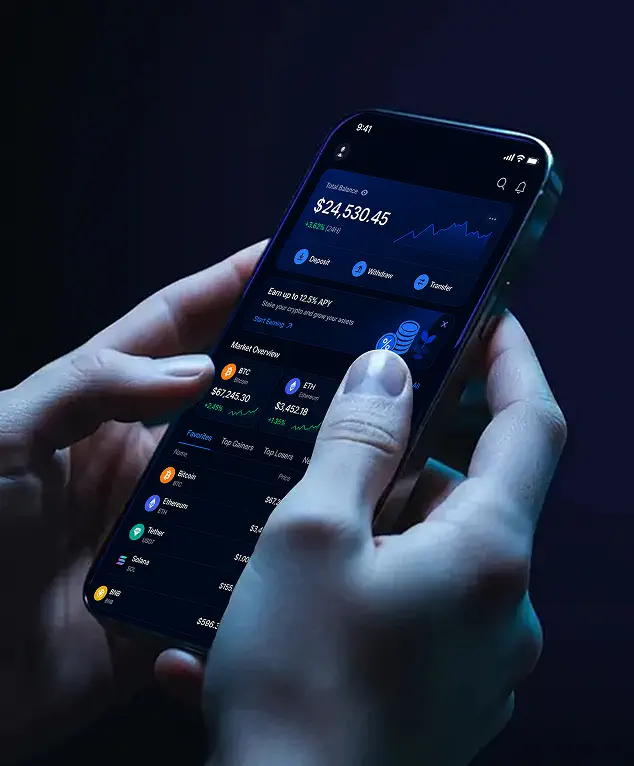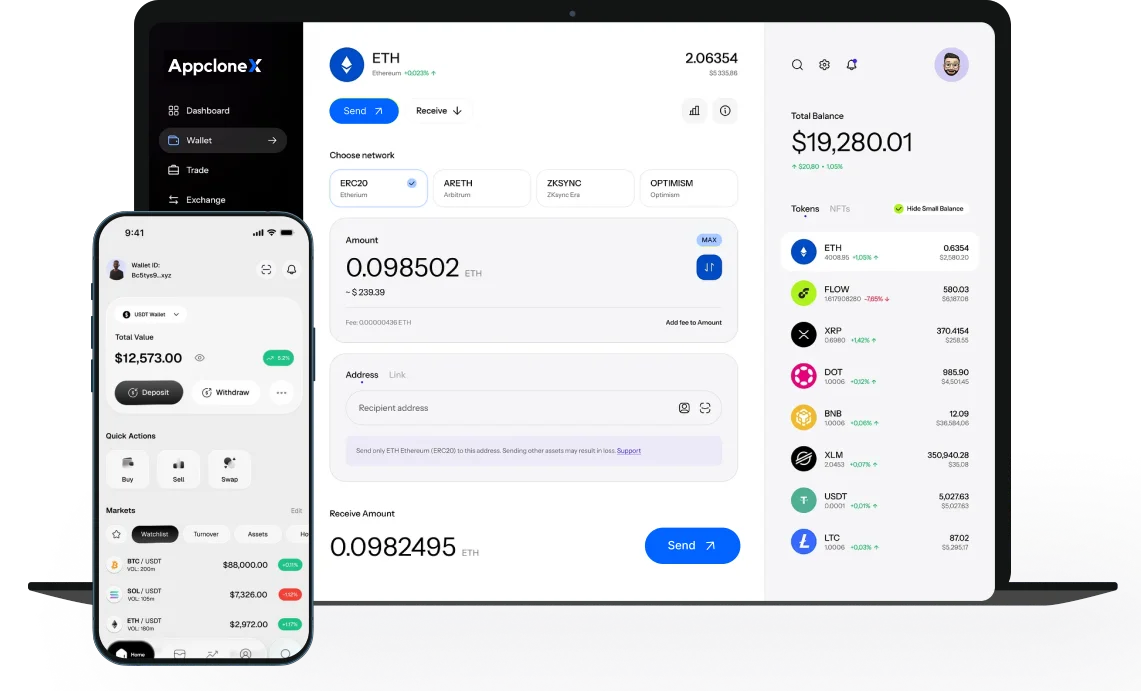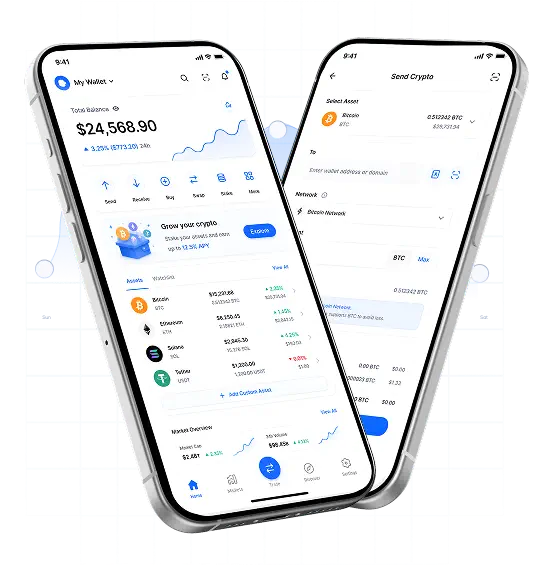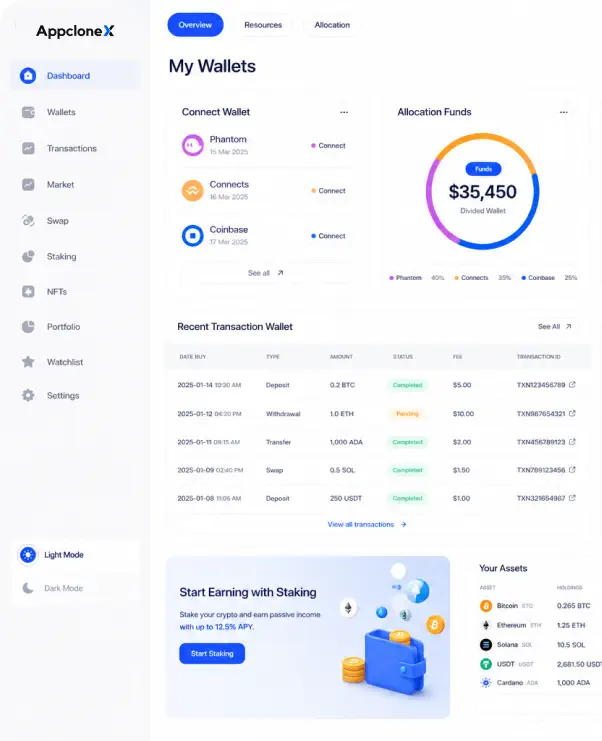
Crypto wallets are no longer just “places to hold coins.” They’ve quietly become the control center of the entire Web3 experience. From DeFi platforms to Web3 startups, a strong and secure crypto wallet is usually the first thing you need to build.

One question founders almost always ask is “how much it really costs to build a crypto wallet”. The truth is, pricing depends on a mix of technical choices and business goals. In this blog, we’ll break everything down clearly so you can plan your wallet development the right way.

What Is Crypto Wallet Development?

Crypto wallet development means building secure wallet apps that help users store and manage digital assets while connecting smoothly with blockchain networks.

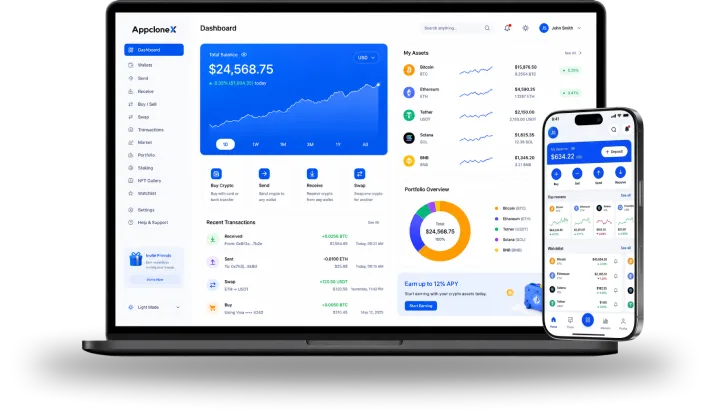
Crypto wallets are commonly classified based on who holds the private keys and whether the wallet stays online or offline, mainly falling into custodial and non-custodial wallets, as well as hot and cold wallets. Modern wallets are built to handle far more than basic asset storage. Users now expect seamless support for different tokens, NFT collections, and DeFi protocols within a single interface. Delivering this level of functionality requires deeper engineering and impacts development costs.

How Much Does It Cost to Develop a Crypto Wallet?

Building a crypto wallet can cost anywhere from $15,000 to $120,000. Pricing is influenced by the wallet type, the number of supported networks, and the security layers involved. As functionality grows, the required investment grows with it.

For example, a simple mobile crypto wallet with basic send and receive features may cost around $15,000 to $30,000. On the other hand, a multi-chain wallet with DeFi, NFT, and hardware wallet integration can easily exceed $100,000.

Development cost also varies based on platform choice, security requirements, and whether you’re building from scratch or opting for a white label crypto wallet solution.

Factors That Affect Crypto Wallet Development Cost

1. Type of Crypto Wallet

The cost of development is significantly influenced by the wallet type you select. Since the service provider manages the private keys, custodial wallets are typically less expensive to construct.

Non-custodial wallets are more complicated and costly since they need sophisticated encryption and key management. The cost and effort of development are further increased by hardware wallet integration.

2. Supported Platforms

Building for Android or iOS alone is cheaper than supporting multiple platforms. Web wallets keep costs down, while cross-platform frameworks help you scale faster. Native apps, though, provide stronger performance and security.

3. Features and Functionality

Basic features like wallet creation, transaction tracking, and balance checks are straightforward. More advanced options such as staking, token swaps, multi-sig access, and NFT support add time and cost.

4. Blockchain and Cryptocurrency Support

Building for just one blockchain keeps things simpler and more affordable. Supporting multiple networks adds technical work and raises development costs.

5. Security Requirements

Crypto wallet development depends heavily on security. Protecting keys, using encryption, and adding biometrics require experienced devs. Security testing increases cost but strengthens trust. Cutting corners can cause serious losses.

6. Development Team and Location

In many cases, building an in-house team costs more than partnering with a crypto wallet development company. Developer rates depend on location and experience. Skilled blockchain developers may charge more, but they help avoid long-term problems. The right team delivers faster and builds a more reliable product.

How to Reduce Crypto Wallet Development Costs

One way to keep the expenditure under control is to start with an MVP. Wallet development typically begins with essential functionality, followed by gradual feature expansion driven by user feedback. This phased approach keeps development practical and focused. Open-source blockchain platforms and SDKs also help accelerate the build. Cross-platform development can help in bringing down the cost of development without hampering quality. Collaboration with an expert crypto wallet development company can further eliminate risk because they have tested tools and methods which can help in saving cost and time.

Why Choose a Professional Crypto Wallet Development Company?

A professional crypto wallet development company brings hands-on blockchain experience and a deep understanding of security. They know how to navigate compliance requirements, avoid common wallet risks, and build systems that protect user assets. With proven processes in place, experienced teams deliver reliable products that are built to scale and perform over time.

Frequently Asked Questions 

1. How long does crypto wallet development take?

Typically, most crypto wallets take a time span of 6 to 20 weeks to construct. Smaller wallets are quicker, but developing and testing a multi-chain wallet takes longer.

2. Is crypto wallet development safe? 

Yes, if they are done properly. Having good encryption, secure key handling, and periodic security audits by good programmers can make wallets safe.

3. Can a crypto wallet hold different cryptographic currencies?

Yes. There are many wallets which can support multiple coins and multiple blockchain systems. Such wallets provide a better user experience but are more complicated in terms of implementation.

Conclusion

There’s no fixed price for building a crypto wallet. Functionality, security standards, and future growth plans are key factors in the process. When these aren’t planned carefully, the overall development cost can easily exceed initial estimates. A well-planned approach helps deliver a reliable wallet without unnecessary costs.

Since crypto products handle real value, security cannot be an afterthought. Choosing the right development partner ensures the wallet is built with reliability in mind. In the long run, this decision directly impacts user trust and product success.


Turn Your Ideas into Reality!

Let’s Talk!

Drop us a line through the form below and we'll get back to you as soon as possible

Please enter your name
Please enter your valid Email
Please enter your Country
Please enter a contact details
Please enter your message

Ready to Turn Your Ideas into Action?